
ADVERTORIAL
Advanced A.I. “Brain” Pinpoints Where The Market Is Going With Up To 87.4% Proven Accuracy …
Often 1–3 Days Before It Happens
When Qvabuvrix’s advanced A.I. system recently predicted a trend reversal for Avis Budget Group (NASDAQ: CAR), investors had the opportunity to capture over 194.81% in gains in just 25 trading days.
But many retail investors didn’t take it seriously — and missed out completely.
But many retail investors didn’t take it seriously — and missed out completely.
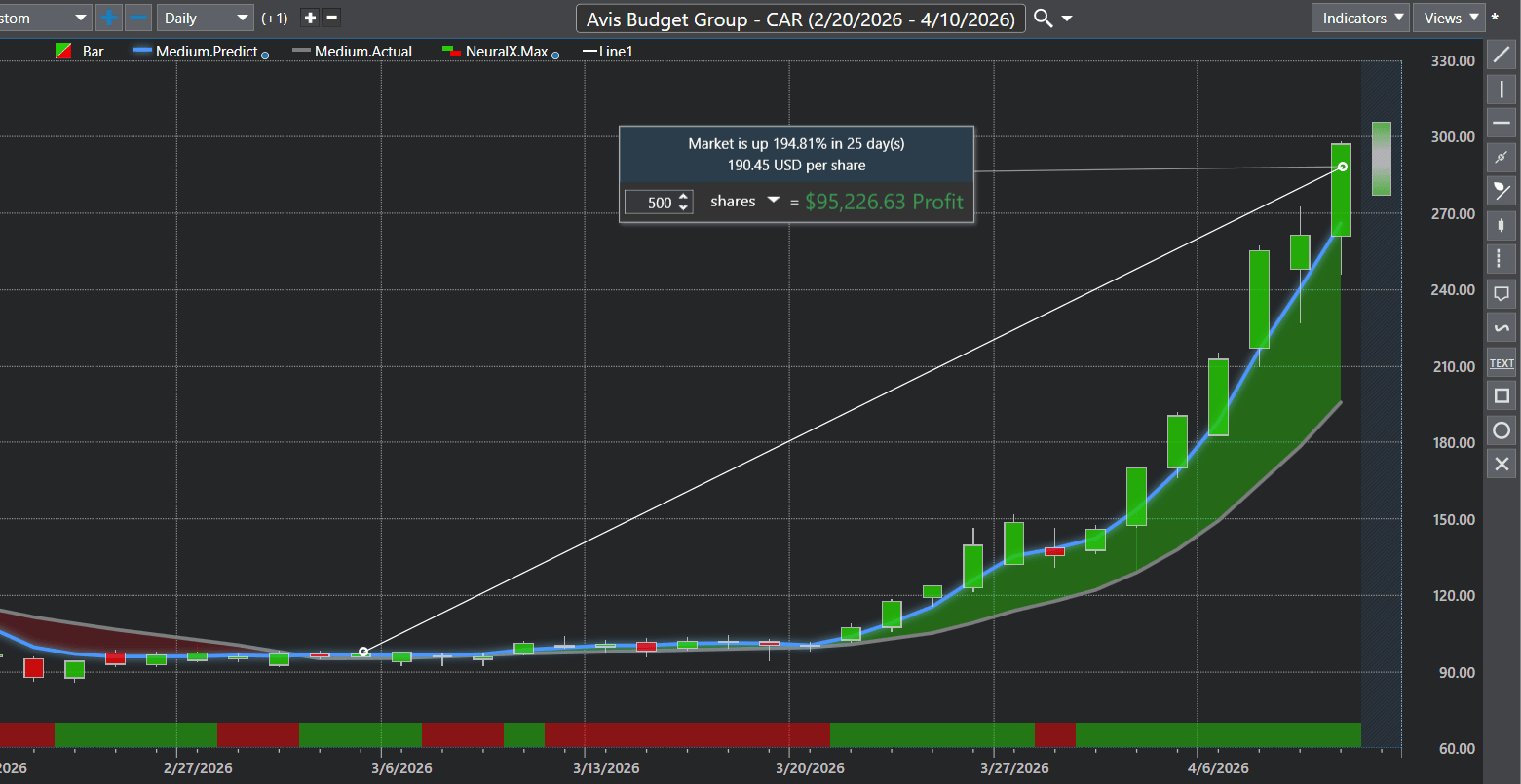
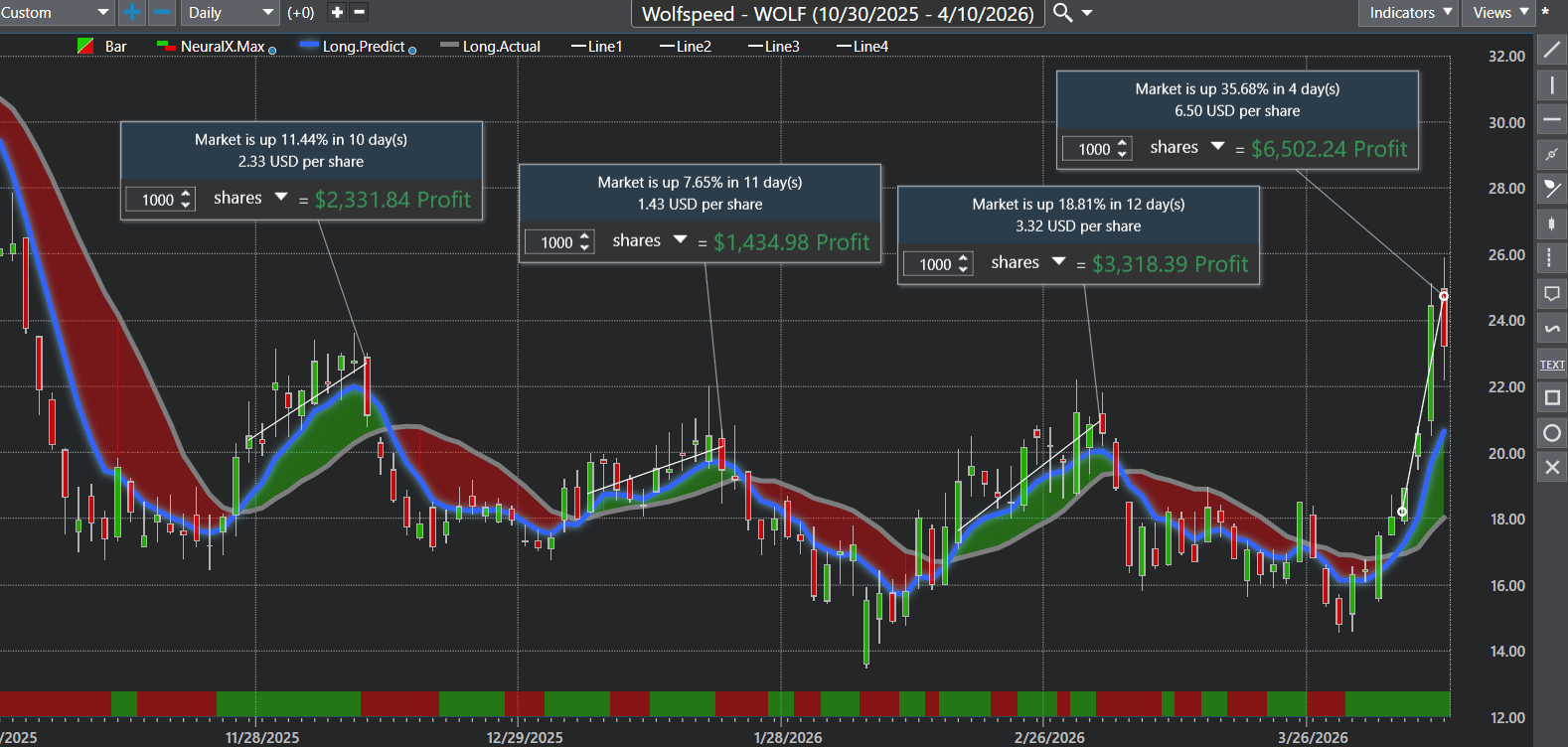
The same system also predicted multiple trend reversals for Wolfspeed (NYSE: WOLF) — a perfect swing opportunity, delivering over 73.8% in gains across just 4 trends.
You can’t go back and enter those trades now.
But technology like this is no longer reserved for hedge funds — and is rapidly becoming accessible to individual investors across the UK.
With UK investors watching FTSE movements, US tech stocks, Bank of England decisions and global earnings reports more closely than ever, tools that can process large volumes of market data quickly are attracting serious attention.
For many retail investors, the challenge is no longer access to information — it is filtering the right information at the right time. Between cost-of-living pressure, council tax, energy bills, mortgage payments and long-term ISA or pension planning, more people are looking for structured ways to make better-informed financial decisions.
A.I. Trading Software Is Now In High Demand — And Retail Investors Are Catching Up
With software capable of analysing market movements with up to 87.4% proven accuracy, demand for A.I.-driven trading tools is rising fast.
For years, institutional investors had access to systems processing massive volumes of data in real time — while retail traders relied on basic indicators.
That gap is now closing.

Lane Carter, President of Qvabuvrix
According to Lane Carter:
“We’re entering a phase where A.I. is no longer optional in trading — it’s becoming a core advantage. For years, retail investors have been competing against systems far more advanced than anything available to them.”
Financial markets — particularly short-term trading — are already seeing this shift.
“Most individual traders were effectively competing against algorithms. What Qvabuvrix does is give them access to similar data-driven capabilities — without needing institutional resources.”
How Qvabuvrix’s A.I. “Brain” Works
Unlike traditional tools, Qvabuvrix doesn’t rely on a single indicator.
It analyses the market using:
- Over 2,300 stocks, ETFs, forex pairs and cryptocurrencies
- Up to 90 input variables per asset
- Up to 630 data points per market
- More than 1,450,000 data calculations daily across all markets
According to Lane Carter:
“We’re not relying on one signal. The system processes multiple layers of market data simultaneously, allowing it to detect patterns most traders simply don’t see.”
Thanks to machine learning, the system continuously improves: “The more predictions the system makes, the smarter it becomes.”
Since launch, the platform has been generating signals with reported accuracy of up to 87.4%, with further improvements expected as more data is processed.
“Too Good To Be True?” — What Sceptics Say
Whenever a system delivers this level of performance, scepticism is inevitable.
According to Lane Carter:
“We understand why people question it. Any system showing this level of consistency naturally raises concerns. That’s why everything we present is based on real market data and historical signal performance.”
Real User Feedback
To better understand how the platform performs in real conditions, we reviewed feedback from users:
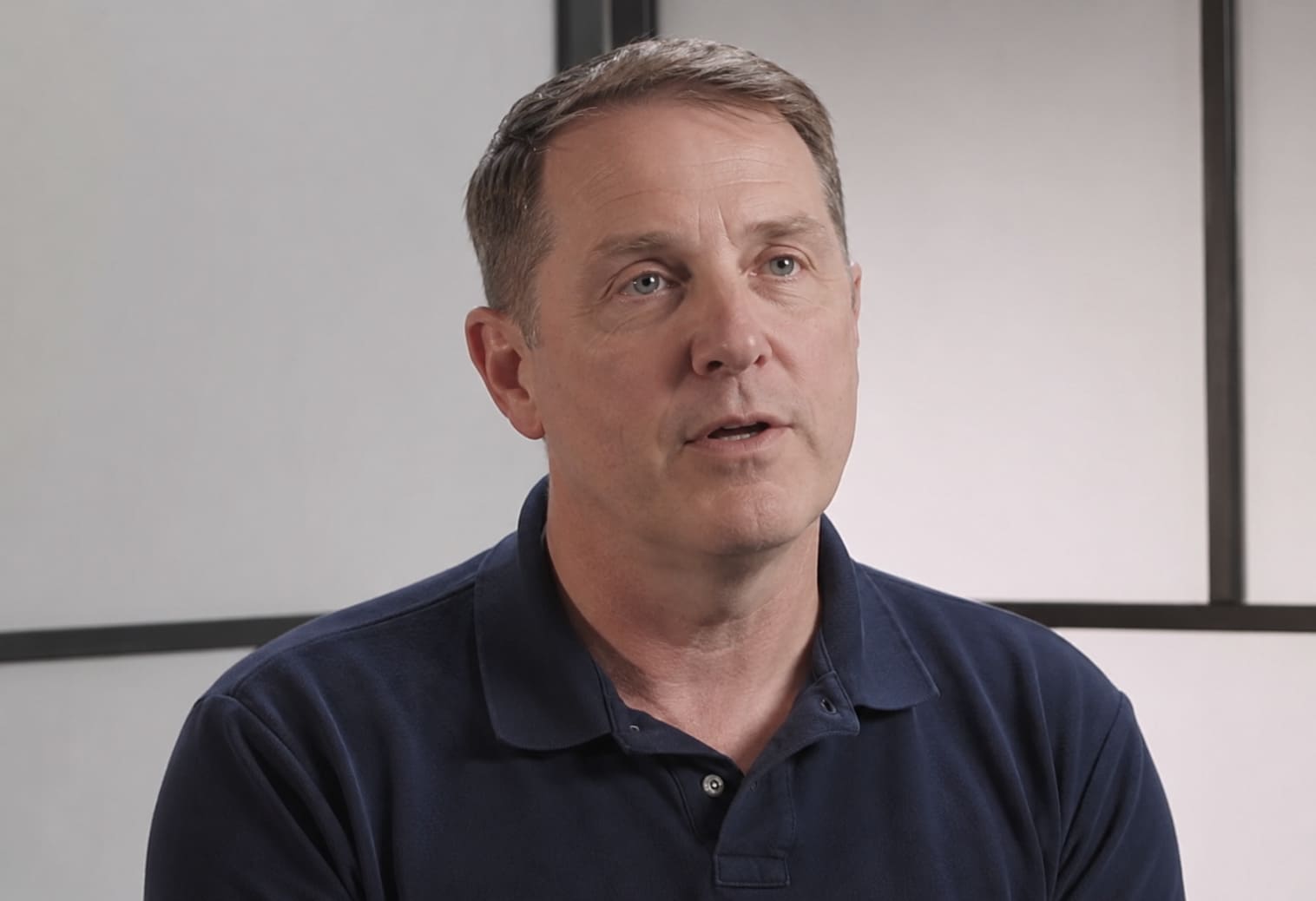
“I used to jump between FTSE updates, US tech stocks and chart indicators without a clear plan. Qvabuvrix helped me understand why a signal appeared before I decided whether to act. That made the whole process feel more structured.” says one satisfied member
named James Walker, Birmingham

“I’m careful with anything trading-related, especially with bills and mortgage costs going up. What I liked was that the platform didn’t just flash a signal — it showed the data behind it, so I could make my own decision.”
says James Walker, Birmingham

And since their new software is working
behind the scenes, Sarah Collins reports how “I don’t have time to sit in front of charts all day. Between work, family and trying to stay on top of long-term savings, I needed something that could help me focus on the market moves worth looking at.”
Over 47,000 Users — And Growing Interest From UK Investors
+By providing my email and/or telephone number above, I agree to Privacy Policy and Terms of
Service and give my Express Consent to recurring email,
phone, and/or text message communications for marketing purposes from or on behalf of B.LIZ
MANAGEMENT AND MARKETING LTD,
including via automated technology, artificial or prerecorded messages, or using artificial
intelligence, even if my phone number is on any state, federal, or international do not call lists.
Consent is not required for any purchase. Message and data rates may apply. You can withdraw consent
at any time by emailing us at contact@prismictrade.com
DISCLAIMERS: This page is an advertisement/advertorial produced by B.LIZ
MANAGEMENT AND MARKETING LTD (Company No. 517187696, Tiberias Shita 312, 1441812, Israel) on behalf of
Solicit Capital Ltd (CySEC Licence No. 452/25). The story depicted here is atypical and for
demonstration purposes only; results or experiences may vary. This site is used for information
purposes only and is not intended for trading purposes. This site is in no way affiliated with any
news source.
*Qvabuvrix Software is proven to predict market trends with up to 87.4% accuracy:
independent third-party verification
THERE IS A SUBSTANTIAL RISK OF LOSS ASSOCIATED WITH TRADING. ONLY RISK CAPITAL SHOULD BE USED
TO TRADE. TRADING STOCKS, FUTURES, OPTIONS, FOREX, AND ETFs IS NOT SUITABLE FOR EVERYONE.IMPORTANT
NOTICE!
DISCLAIMER: STOCKS, FUTURES, OPTIONS, ETFs AND CURRENCY TRADING ALL HAVE LARGE POTENTIAL
REWARDS, BUT THEY ALSO HAVE LARGE POTENTIAL RISK. YOU MUST BE AWARE OF THE RISKS AND BE WILLING TO
ACCEPT THEM IN ORDER TO INVEST IN THESE MARKETS. DON'T TRADE WITH MONEY YOU CAN'T AFFORD TO LOSE.
THIS ADVERTISEMENT IS NEITHER A SOLICITATION NOR AN OFFER TO BUY/SELL FUTURES, OPTIONS, STOCKS, OR
CURRENCIES. NO REPRESENTATION IS BEING MADE THAT ANY ACCOUNT WILL OR IS LIKELY TO ACHIEVE PROFITS
OR LOSSES SIMILAR TO THOSE DISCUSSED ON THIS ARTICLE OR WEBSITE. THE PAST PERFORMANCE OF ANY
TRADING SYSTEM OR METHODOLOGY IS NOT NECESSARILY INDICATIVE OF FUTURE RESULTS. IMPORTANT
REGULATORY NOTICE (UK/EU) -
HYPOTHETICAL OR SIMULATED PERFORMANCE RESULTS HAVE CERTAIN LIMITATIONS. UNLIKE AN ACTUAL
PERFORMANCE RECORD, SIMULATED RESULTS DO NOT REPRESENT ACTUAL TRADING. ALSO, SINCE THE TRADES HAVE
NOT BEEN EXECUTED, THE RESULTS MAY HAVE UNDER-OR-OVER COMPENSATED FOR THE IMPACT, IF ANY, OF
CERTAIN MARKET FACTORS, SUCH AS LACK OF LIQUIDITY. SIMULATED TRADING PROGRAMS IN GENERAL ARE ALSO
SUBJECT TO THE FACT THAT THEY ARE DESIGNED WITH THE BENEFIT OF HINDSIGHT. NO REPRESENTATION IS
BEING MADE THAT ANY ACCOUNT WILL OR IS LIKELY TO ACHIEVE PROFIT OR LOSSES SIMILAR TO THOSE SHOWN.
COPYRIGHT © 2026 — B.LIZ MANAGEMENT AND MARKETING LTD. ALL RIGHTS
RESERVED.
Company No. 517187696 | Tiberias Shita 312, 1441812, Israel
Advertising services provided on behalf of Solicit Capital Ltd (CySEC Licence No. 452/25, issued 17/02/2025; Cyprus Company Reg. HE 435454)
Company No. 517187696 | Tiberias Shita 312, 1441812, Israel
Advertising services provided on behalf of Solicit Capital Ltd (CySEC Licence No. 452/25, issued 17/02/2025; Cyprus Company Reg. HE 435454)
|
|